

Why Your Erie Business Should Probably Be an LLC
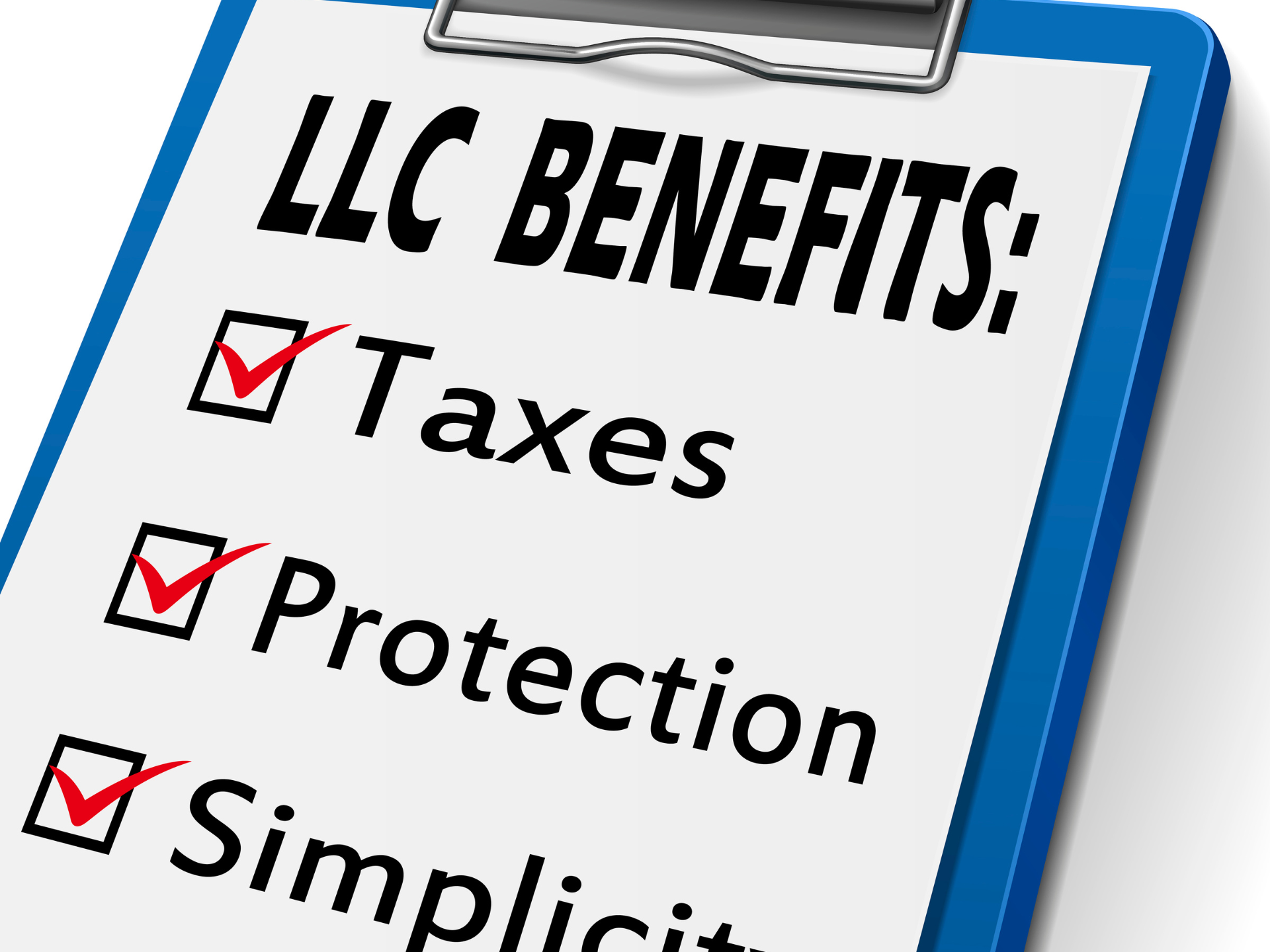
If you're selling something in Erie right now — catering, lawn care, hair, consulting, resale, repairs, photography — you already have a business. The question isn't whether you have one. It's whether the law can tell the difference between your business and you.
Right now, if you haven't filed anything, it can't. You're a sole proprietor by default. Your business and your personal life are the same legal entity, which means your business debts are your debts and your business lawsuits are your lawsuits.
Forming a Limited Liability Company changes that. Here's what it actually does, what it costs in Pennsylvania, and when it's worth doing.
1. It puts a wall between your business and your house
This is the whole point, and it's in the name.
If a customer sues your sole proprietorship, or a supplier comes after you for an unpaid invoice, or your business takes on debt it can't cover, the people you owe can go after your personal assets. Your car. Your savings. In a bad enough case, your home.
With an LLC, the company is a separate legal person. Claims against the business generally stop at the business. Your personal property isn't on the table.
That protection matters most in the businesses where something can go wrong on site — food, childcare, home repair, transportation, personal care, anything where you're working in someone's space or on someone's body. But even a consultant can get sued over a contract.
2. It makes you look like a real business, because you are one
There's a practical version of this and a psychological version.
Practical: A lot of doors only open for registered entities. Business bank accounts. Business credit. Wholesale accounts. Vendor applications. Contracts with schools, hospitals, churches, and municipalities. Local and state grant programs. Many of these will ask for your formation documents and your EIN before they'll even start the conversation. If you don't have them, you're not in the running.
Psychological: Something changes when the paperwork exists. You stop describing what you do as "a little thing on the side." Customers hear it. So do lenders.
3. Pennsylvania makes it cheap
This is the part people don't expect.
Filing fee: $125, one time. You file a Certificate of Organization (form DSCB:15-8821) with the Pennsylvania Department of State, along with a Docketing Statement (DSCB:15-134A).
Where: Online through the state's Business Filing Services portal at file.dos.pa.gov. Most online filings clear in about three to five business days.
Annual report: $7 a year. Pennsylvania replaced its old once-per-decade report with an annual filing starting in 2025. The window runs January 1 through September 30. Seven dollars, once a year, is one of the lowest ongoing costs in the country — but it's now a yearly habit you have to keep, not something you do and forget for ten years.
Veterans and reservists who own small businesses may qualify for a waiver of the filing fee.
There's no franchise tax in Pennsylvania. And by default, an LLC doesn't pay its own income tax — profits pass through to you and you pay Pennsylvania's flat personal income tax rate on them.
4. You keep your tax options open
A default LLC is taxed the same way a sole proprietorship is: profits flow to your personal return. Nothing gets more complicated on day one.
But once your profits grow, an LLC can elect to be taxed as an S corporation, which can reduce self-employment tax on a portion of your income. You don't have to decide this now. You just have to have the entity in place so the option exists later. Talk to an accountant before making that election — the savings are real at some income levels and not worth the added payroll paperwork at others.
5. It settles who owns what before there's an argument
If you're going into business with a friend, a cousin, or your church brother, this one is for you.
An LLC has an operating agreement — a document that says who owns what percentage, who can spend money, who makes decisions, what happens if someone wants out, and what happens if someone dies. Pennsylvania doesn't require you to file it with the state, and plenty of single-owner businesses skip it entirely.
Don't skip it. Especially with partners. The operating agreement is cheap to write while everyone still likes each other and impossible to write once they don't.
What an LLC does not do
Be clear-eyed about the limits.
It doesn't replace insurance. An LLC protects your personal assets from business claims. It does not pay the claim. You still need liability coverage, and depending on your work, professional or commercial auto coverage too.
It doesn't protect you from yourself. If you personally guarantee a loan or a lease — and most new businesses have to — you're on the hook personally regardless of the LLC. The same goes for your own negligent acts.
It only works if you treat it as separate. Separate bank account. Separate cards. No paying your electric bill out of the business account. If you mix everything together, a court can disregard the LLC and hold you personally responsible anyway. The paperwork only protects you if your behavior matches it.
Your registered office address becomes public. Pennsylvania requires a registered office — a physical street address in the state, not a P.O. box. If you work from home and don't want your home address in a public database, look into a commercial registered office provider before you file.
Some licensed professions have different rules. If you're licensed in a field like law, medicine, accounting, or certain therapies, Pennsylvania may require a different entity type. Ask before you file.
One thing you no longer have to worry about
If you started researching this a year or two ago, you probably ran into the Corporate Transparency Act and its beneficial ownership reporting requirement, along with warnings about steep penalties. As of August 2026, that requirement has been permanently removed for companies formed in the United States. Domestic LLCs no longer file beneficial ownership reports with FinCEN.
Keep a clear internal record of who owns your business anyway. Banks and lenders will still ask.
Where to get help in Erie
You can do this yourself. You don't have to.
Gannon University Small Business Development Center, 900 State Street, offers no-cost, confidential one-on-one consulting to entrepreneurs in Erie, Crawford, Mercer, and Warren counties — including help with entity choice and Pennsylvania filing requirements.
PA Business One-Stop Shop at business.pa.gov walks through registration, permits, and taxes in one place.
Erie County Redevelopment Authority maintains a directory of local entrepreneur support programs and financing options.
City of Erie — before you open a physical location or run a business from your home, check on zoning and any required permits.
Achievers Entrepreneurial Hub at the Community Cornerstone Project, 930 Liberty Street, works with Erie small business owners and aspiring entrepreneurs on exactly these questions. Come talk to us.
The short version
For most Erie businesses with real customers and real risk, $125 up front and $7 a year is not a hard call. The protection is meaningful, the ongoing burden is small, and the paperwork opens doors that stay closed to sole proprietors.
Get your entity formed. Get your EIN. Open a separate bank account and actually use it. Then go build the thing.
This post is general information, not legal or tax advice. Entity choice depends on your specific situation — talk to an attorney or accountant, or start with a free session at the Gannon SBDC, before you file.