

Why Is Social Media Important for Small Businesses?

In today’s digital world, social media is no longer just a place for people to share photos, keep up with friends, or watch entertaining videos. For small businesses, social media has become an important part of building a brand, connecting with customers, and bringing new people through the door.
Whether you own a restaurant, home-service company, retail store, professional service, or another local business, having an active social media presence can help people find you, learn about your business, and decide whether they want to become a customer.
Social Media Helps People Find Your Business
One of the biggest advantages of social media is visibility.
People often search for businesses on Facebook, Instagram, TikTok, and other social platforms before they ever visit a company's website. They may be looking for recommendations, checking out a business's services, looking at photos, or simply trying to determine whether a company is legitimate and active.
Your social media pages give potential customers another way to discover your business.
The more places your business has a professional presence online, the more opportunities you have to be found.
Social Media Builds Trust
People want to do business with companies they trust.
A website is important, but social media can show customers that there are real people behind the business. Regular posts can showcase your work, your team, your customers, your products, your services, and what makes your company different.
For a small business, this personal connection can be especially valuable.
Posting consistently helps demonstrate that your business is active and engaged rather than looking like a company that has disappeared or stopped operating.
Your Social Media Should Tell Your Story
Social media isn't simply about posting an advertisement every day.
Good social media marketing tells your business's story.
You can share:
Photos of completed projects
New products or services
Customer experiences
Helpful tips and information
Behind-the-scenes content
Special events
Company news
Frequently asked questions
Educational information
Employee and team introductions
Community involvement
Every post is an opportunity to remind people who you are, what you do, and why they should choose your business.
Social Media Keeps Your Business in Front of Customers
Customers may not need your service today—but they may need it next month.
Consistent social media keeps your business familiar.
For example, someone may see your business several times while scrolling through Facebook. They might not need your service the first time they see your post. But when they eventually need what you offer, your business may be the company they remember.
This is one reason consistency matters.
You don't have to post just to say that you posted. Your content should have a purpose and provide something useful, interesting, educational, or memorable.
Social Media Can Drive People to Your Website
Your social media presence and website should work together.
Your social media posts can introduce people to your business, while your website can provide more detailed information about your products, services, pricing, contact information, frequently asked questions, and other important details.
Make it easy for people to move from your social media page to your website.
A well-written post might encourage someone to learn more, schedule an appointment, request a quote, call your business, or visit your location.
Social Media Is About More Than Likes
One of the biggest mistakes small businesses can make is believing that social media success is only about the number of likes or followers.
Likes are nice, but they aren't the ultimate goal.
The real question is:
Is your social media helping your business?
A post that receives fewer likes but results in a phone call, website visit, appointment, or sale can be far more valuable than a post that receives hundreds of likes but produces no business.
Small businesses should focus on meaningful engagement and real customers—not simply numbers on a screen.
Local Businesses Have a Major Opportunity
Social media can be especially valuable for local businesses.
People frequently use social platforms to discover businesses in their community. Local content, community involvement, customer photos, events, and helpful information can help your business become more recognizable in the area you serve.
Your social media should make it clear where you are located and what areas you serve.
Don't assume people already know.
Include your location, service area, phone number, website, and other important contact information when appropriate.
Consistency Matters
One of the most common problems small businesses have with social media is inconsistency.
A business may post several times in one week and then disappear for a month.
You don't have to post constantly, but you should have a plan.
A consistent social media strategy helps keep your business visible and gives customers a reason to continue following you.
The goal isn't to overwhelm people with posts. The goal is to stay relevant and provide valuable content.
Social Media and Your Overall Marketing Strategy
Social media should not operate by itself.
It should be part of your overall marketing strategy.
Your website, Google Business Profile, online advertising, email marketing, search engine optimization, and social media can all work together to help people discover and choose your business.
Think of each part of your online presence as another door through which a potential customer can find you.
The more effectively those doors work together, the easier it is for customers to connect with your business.
Small Businesses Don't Need to Be Everything to Everyone
You don't have to be on every social media platform.
The best platform for your business depends on your customers, your industry, your content, and where your audience spends its time.
It is usually better to maintain a few social media platforms properly than to create accounts everywhere and rarely update them.
Focus on reaching the people who are most likely to become your customers.
The Bottom Line
Social media is an important marketing tool for small businesses because it helps increase visibility, build trust, communicate with customers, showcase your work, and keep your business in front of potential customers.
But successful social media marketing isn't about chasing likes or trying to become an internet celebrity.
It's about building relationships.
When your social media content is useful, authentic, consistent, and connected to your overall marketing strategy, it can become a valuable part of growing your small business.
Why Your Erie Business Should Probably Be an LLC
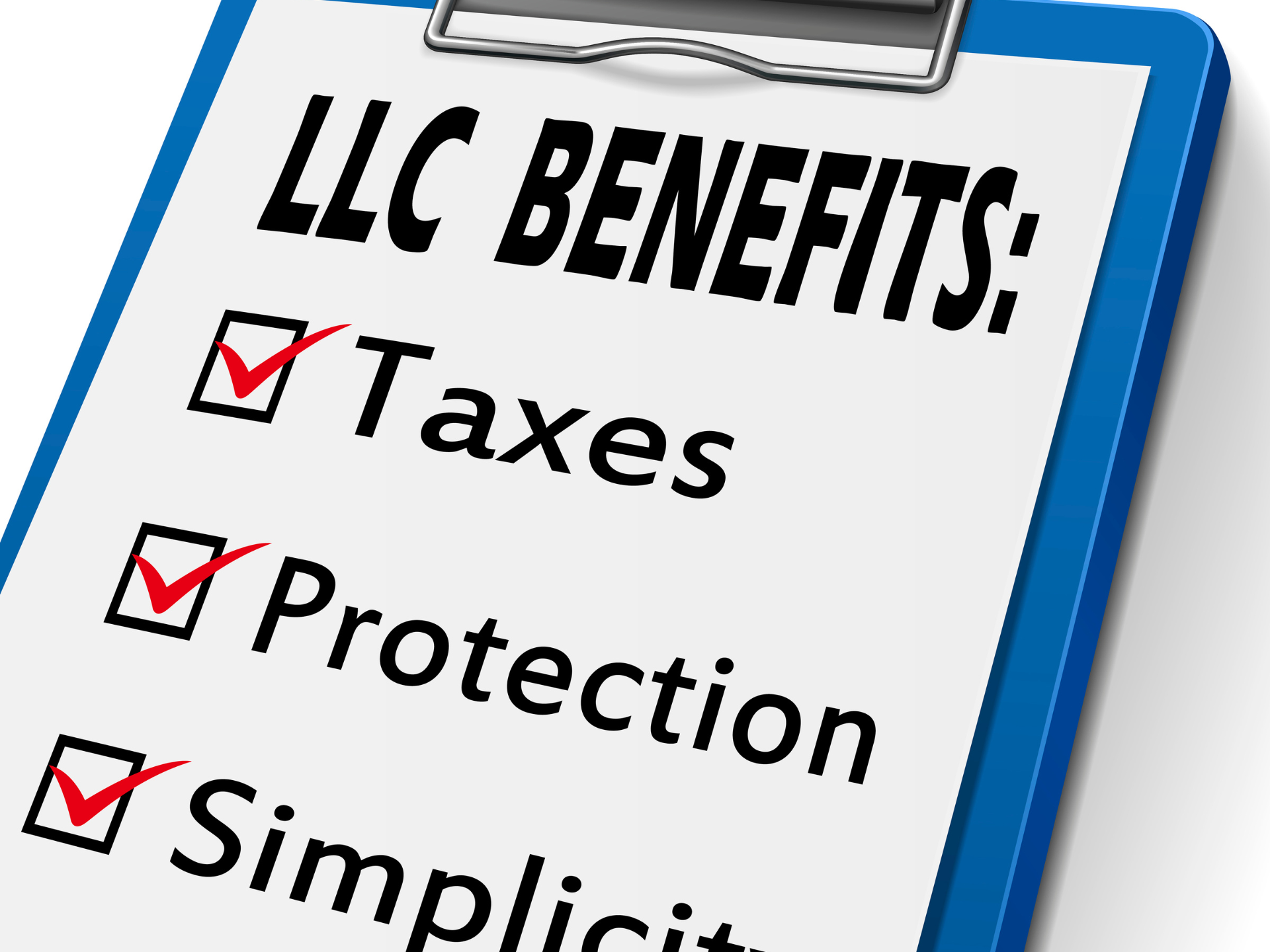
If you're selling something in Erie right now — catering, lawn care, hair, consulting, resale, repairs, photography — you already have a business. The question isn't whether you have one. It's whether the law can tell the difference between your business and you.
Right now, if you haven't filed anything, it can't. You're a sole proprietor by default. Your business and your personal life are the same legal entity, which means your business debts are your debts and your business lawsuits are your lawsuits.
Forming a Limited Liability Company changes that. Here's what it actually does, what it costs in Pennsylvania, and when it's worth doing.
1. It puts a wall between your business and your house
This is the whole point, and it's in the name.
If a customer sues your sole proprietorship, or a supplier comes after you for an unpaid invoice, or your business takes on debt it can't cover, the people you owe can go after your personal assets. Your car. Your savings. In a bad enough case, your home.
With an LLC, the company is a separate legal person. Claims against the business generally stop at the business. Your personal property isn't on the table.
That protection matters most in the businesses where something can go wrong on site — food, childcare, home repair, transportation, personal care, anything where you're working in someone's space or on someone's body. But even a consultant can get sued over a contract.
2. It makes you look like a real business, because you are one
There's a practical version of this and a psychological version.
Practical: A lot of doors only open for registered entities. Business bank accounts. Business credit. Wholesale accounts. Vendor applications. Contracts with schools, hospitals, churches, and municipalities. Local and state grant programs. Many of these will ask for your formation documents and your EIN before they'll even start the conversation. If you don't have them, you're not in the running.
Psychological: Something changes when the paperwork exists. You stop describing what you do as "a little thing on the side." Customers hear it. So do lenders.
3. Pennsylvania makes it cheap
This is the part people don't expect.
Filing fee: $125, one time. You file a Certificate of Organization (form DSCB:15-8821) with the Pennsylvania Department of State, along with a Docketing Statement (DSCB:15-134A).
Where: Online through the state's Business Filing Services portal at file.dos.pa.gov. Most online filings clear in about three to five business days.
Annual report: $7 a year. Pennsylvania replaced its old once-per-decade report with an annual filing starting in 2025. The window runs January 1 through September 30. Seven dollars, once a year, is one of the lowest ongoing costs in the country — but it's now a yearly habit you have to keep, not something you do and forget for ten years.
Veterans and reservists who own small businesses may qualify for a waiver of the filing fee.
There's no franchise tax in Pennsylvania. And by default, an LLC doesn't pay its own income tax — profits pass through to you and you pay Pennsylvania's flat personal income tax rate on them.
4. You keep your tax options open
A default LLC is taxed the same way a sole proprietorship is: profits flow to your personal return. Nothing gets more complicated on day one.
But once your profits grow, an LLC can elect to be taxed as an S corporation, which can reduce self-employment tax on a portion of your income. You don't have to decide this now. You just have to have the entity in place so the option exists later. Talk to an accountant before making that election — the savings are real at some income levels and not worth the added payroll paperwork at others.
5. It settles who owns what before there's an argument
If you're going into business with a friend, a cousin, or your church brother, this one is for you.
An LLC has an operating agreement — a document that says who owns what percentage, who can spend money, who makes decisions, what happens if someone wants out, and what happens if someone dies. Pennsylvania doesn't require you to file it with the state, and plenty of single-owner businesses skip it entirely.
Don't skip it. Especially with partners. The operating agreement is cheap to write while everyone still likes each other and impossible to write once they don't.
What an LLC does not do
Be clear-eyed about the limits.
It doesn't replace insurance. An LLC protects your personal assets from business claims. It does not pay the claim. You still need liability coverage, and depending on your work, professional or commercial auto coverage too.
It doesn't protect you from yourself. If you personally guarantee a loan or a lease — and most new businesses have to — you're on the hook personally regardless of the LLC. The same goes for your own negligent acts.
It only works if you treat it as separate. Separate bank account. Separate cards. No paying your electric bill out of the business account. If you mix everything together, a court can disregard the LLC and hold you personally responsible anyway. The paperwork only protects you if your behavior matches it.
Your registered office address becomes public. Pennsylvania requires a registered office — a physical street address in the state, not a P.O. box. If you work from home and don't want your home address in a public database, look into a commercial registered office provider before you file.
Some licensed professions have different rules. If you're licensed in a field like law, medicine, accounting, or certain therapies, Pennsylvania may require a different entity type. Ask before you file.
One thing you no longer have to worry about
If you started researching this a year or two ago, you probably ran into the Corporate Transparency Act and its beneficial ownership reporting requirement, along with warnings about steep penalties. As of August 2026, that requirement has been permanently removed for companies formed in the United States. Domestic LLCs no longer file beneficial ownership reports with FinCEN.
Keep a clear internal record of who owns your business anyway. Banks and lenders will still ask.
Where to get help in Erie
You can do this yourself. You don't have to.
Gannon University Small Business Development Center, 900 State Street, offers no-cost, confidential one-on-one consulting to entrepreneurs in Erie, Crawford, Mercer, and Warren counties — including help with entity choice and Pennsylvania filing requirements.
PA Business One-Stop Shop at business.pa.gov walks through registration, permits, and taxes in one place.
Erie County Redevelopment Authority maintains a directory of local entrepreneur support programs and financing options.
City of Erie — before you open a physical location or run a business from your home, check on zoning and any required permits.
Achievers Entrepreneurial Hub at the Community Cornerstone Project, 930 Liberty Street, works with Erie small business owners and aspiring entrepreneurs on exactly these questions. Come talk to us.
The short version
For most Erie businesses with real customers and real risk, $125 up front and $7 a year is not a hard call. The protection is meaningful, the ongoing burden is small, and the paperwork opens doors that stay closed to sole proprietors.
Get your entity formed. Get your EIN. Open a separate bank account and actually use it. Then go build the thing.
This post is general information, not legal or tax advice. Entity choice depends on your specific situation — talk to an attorney or accountant, or start with a free session at the Gannon SBDC, before you file.
Why your business needs a plan before it needs anything else

Plenty of people start a business without a plan. Some of them make it.
But most don't, and the reason usually isn't a bad idea or a lack of hustle. It's that nobody stopped long enough to ask the hard questions before the money was already spent.
A business plan is where you ask those questions on paper, when the answers are still cheap.
It turns a dream into a decision
An idea in your head feels bigger and simpler than it is. On paper, it has edges. Costs. Customers. A number you have to hit every month to keep the lights on.
That can be uncomfortable. It's also the moment your idea becomes real enough to act on. Writing it down forces you to move from "I've always wanted to" to "here is what it would take."
Some ideas don't survive that step. That's not a loss — that's a plan doing its job before it cost you your savings.
It shows you the money before you spend it
Most businesses don't close because they were unprofitable. They close because they ran out of cash at the wrong moment.
A plan makes you count what you'll spend before your first dollar comes in, what it costs every month to stay open, and how many customers you need to cover it. It shows you the slow season coming. It tells you how long you can go before the business has to pay for itself.
Knowing those numbers doesn't guarantee success. Not knowing them almost guarantees a surprise you can't afford.
It's how other people say yes
Sooner or later you'll need something from someone else. A loan. A lease. A supplier willing to extend terms. An investor. A partner who's deciding whether to bet their time on you.
Every one of those people is asking the same thing: does this person know what they're doing?
A clear plan answers that before you open your mouth. It says you've thought it through, you understand your market, and you know what the money does. Without one, you're asking people to trust a feeling.
It keeps you honest when things get loud
Once you're open, the noise starts. A customer wants something you don't sell. A competitor drops their prices. Someone suggests a new direction that sounds exciting on a Tuesday.
Your plan is the thing you check against. Does this move us toward what we said we were building, or away from it? Some of those opportunities are worth taking. But you'll make a better call when you have something to measure them against.
Without a plan, every new idea feels equally urgent. With one, you can tell the difference.
It gives you something to learn from
Here's the part most people miss. The real value of a plan isn't the prediction — it's the comparison.
You projected forty customers a month. You got twenty-five. Now you know something specific and useful about your pricing, your marketing, or your market. That's information you can act on.
Without a written plan, you have no baseline. Things are just going well or going badly, and you can't say why.
It's not permanent, and it shouldn't be
A business plan isn't a contract with your future self. Your first version will be wrong in places. That's expected.
The plan's job is to give you a starting position clear enough to correct. Revisit it quarterly. Update what changed. The document evolves as your business does — and businesses that last tend to be run by people who keep checking.
Start with support
You don't need to have it all figured out to begin. You need a place to start and people who'll ask you the right questions.
That's what the Achievers Entrepreneurial Hub is built for. AEH gives Erie entrepreneurs mentorship, instruction, workspace, and a network of people invested in seeing them succeed. Not a hand-out — a hand-up.
Cohort 5 begins September 15, 2026 and runs through May 26, 2027. Seats are limited and filling fast.
If you've been carrying an idea, don't carry it alone.
Community Cornerstone Project
930 Liberty Street, Erie, PA 16502
(814) 825-7102
infoaehub@gmail.com
communitycornerstoneproject.org/aeh
Shaping Erie's Future, One Success Story at a Time.
From side hustle to real business: knowing when it's time to make the leap.

You've been doing hair in your kitchen for two years. You fix people's cars on Saturdays. You bake for every graduation party in your neighborhood. You clean offices after your shift ends.
And when someone asks what you do, you name your day job.
Here's something worth sitting with: a lot of people in Erie are already running businesses. They just haven't called it that yet. The work is real, the customers are real, the money is real. What's missing is the structure around it — and often, the permission to take it seriously.
So how do you know when it's time to stop calling it a side hustle?
Signal one: the demand doesn't stop
There's a difference between a good month and a pattern. If work has been coming in steadily for six months or more — not because you're chasing it, but because people keep finding you — that's not luck. That's a market.
Pay attention to where it's coming from. If new customers are showing up because someone told them about you, you've built something that most businesses spend real money trying to buy: word of mouth. That's a foundation.
Signal two: you're turning work away
This is the loudest signal, and it's the one people most often talk themselves out of hearing.
When you're saying "I can't take that on right now" more than once a month, you're not being modest — you're leaving money on the table and, eventually, sending customers to someone else. Every "no" is a real dollar amount. Add up a few months of them and you'll see the size of what you're already sitting on.
Turning down work because you're at capacity isn't a sign that you're doing fine. It's a sign that your setup has stopped fitting the demand.
Signal three: your money is all one pile
If supplies for a job come out of the same account as your groceries, you have no way of knowing whether this thing actually makes money. Not really. You have a feeling. Feelings are not numbers.
Mixed money hides a lot. It hides whether your prices are too low. It hides how much you're actually spending. It hides what you'd owe in taxes. And come tax time, it turns into a stressful weekend of scrolling through a year of bank statements trying to remember what was for what.
If you can't answer "what did I earn from this last month?" without guessing, that's your signal.
A few others worth watching for
People are asking whether you take card payments, or whether you have a business name to look up
You're buying supplies in bulk because it's cheaper — which means you're managing inventory now
Someone's asked for an invoice, a receipt, or proof of insurance
You've started thinking about who could help you, because you can't do all of it alone
You're doing the work at 11pm because there's no room for it anywhere else in your week
The first three steps
Making it official is less complicated than most people expect. You don't have to have everything figured out. You have to start.
1. Separate your money.
Open a business checking account and run every dollar of business income and expense through it. Nothing else. This is the single highest-value step you can take, and it costs you almost nothing.
Within three months, you'll be able to see what your business actually earns and actually spends. That clarity changes decisions. It's also the groundwork for everything that comes after — taxes, loans, grants, credit. Nobody can evaluate a business they can't see.
2. Register the business.
In Pennsylvania, this means choosing a structure — most small operations start as a sole proprietorship or an LLC — and registering with the state. An LLC costs more up front but puts a legal separation between your business and your personal assets, which matters more the more you grow.
You'll also want to check whether your specific work needs a license or permit, and whether Erie has local requirements for your type of business. This is a step where asking someone who's done it saves you hours of confusion.
3. Price like a business, not a favor.
Most side hustles are underpriced. It happens naturally — you started by helping people you knew, and the price got set back when this was a favor.
But a business has costs a favor doesn't: supplies, gas, equipment that wears out, insurance, taxes, and your own time, which is worth something. Sit down and add up what a single job actually costs you, including the hours. If your price doesn't clear that with room left over, it isn't a price. It's a donation.
Raising prices is uncomfortable. Do it anyway. The customers who value your work will stay.
You've already done the hard part
Here's what we want you to hear: building demand from nothing is the hardest thing in business, and you've done it. Paperwork, pricing, systems — those are learnable. They're mechanics. What you can't teach someone is the willingness to keep showing up for two years while it's still just a side thing.
At the Community Cornerstone Project, we believe in a hand-up, not a hand-out. We're not here to hand anyone a business. We're here to help the people who are already building one do it with the tools, structure, and support to make it last — and to make it theirs.
That's what the Achievers Entrepreneurial Hub is for. Business planning, financial management, marketing, and the practical realities of running something of your own, alongside people doing the same work at the same time.
Ready to call it what it is?
Applications are open for Cohort 5 of the Achievers Entrepreneurial Hub, running September 15, 2026 through May 26, 2027. If you've been doing the work, we'd love to talk with you.
Community Cornerstone Project
930 Liberty Street, Erie, PA 16502
(814) 825-7102
infoaehub@gmail.com
communitycornerstoneproject.org
Shaping Erie's Future, One Success Story at a Time
Cash flow is not profit — and why that confusion closes businesses

There's a hard truth that catches a lot of new business owners off guard: you can be profitable on paper and still run out of money.
It sounds like a contradiction. It isn't. And understanding the difference between profit and cash flow is one of the most important skills a small business owner can build — because the businesses that close aren't always the ones that weren't making money. Plenty of them were. They just ran out of cash before the money showed up.
The difference, in plain language
Profit is what's left after you subtract your expenses from your revenue. It's a scorecard. It tells you whether your business model works.
Cash flow is the actual money moving in and out of your bank account, and when it moves. It's a heartbeat. It tells you whether your business can pay its bills this week.
Here's the part that trips people up: those two things don't happen at the same time.
A quick example
Say you run a small catering business. In March, you cater three events and invoice a total of $9,000. Your costs — food, supplies, help for the day — come to $5,500. On paper, you made $3,500 in profit. Good month.
But two of those clients pay on 30-day terms. One of them pays late. So the money that actually landed in your account in March was $3,000, while you spent $5,500 buying food and paying your team up front.
Profitable month. Negative cash month. And if rent is due on the first, "the money's coming" doesn't pay it.
Now stretch that over a few months of growth, where you're taking on bigger jobs that require bigger up-front spending, and you can see how a business can grow itself right into a crisis.
Where the cash gap usually hides
Most cash flow problems come from one of a handful of places:
Slow-paying customers. You've done the work, but the money is sitting in someone else's account.
Inventory and supplies. Money you spent is now sitting on a shelf instead of in the bank. It counts as an asset, not an expense — which means it doesn't reduce your profit, but it absolutely reduces your cash.
Owner draws. Money you take out for yourself doesn't show up as a business expense, so it never touches your profit number. It touches your bank balance every single time.
Loan payments. Only the interest portion hits your profit. The principal comes straight out of cash.
Taxes. They're real, they're coming, and they're rarely set aside in advance.
Notice a pattern? Four of those five don't appear on a profit and loss statement at all. That's why a business owner can look at a healthy P&L and be genuinely blindsided by an empty account.
A simple monthly habit you can start this week
You don't need accounting software or a finance degree for this. You need one page and thirty minutes a month.
At the start of each month, write down four things:
1. Cash on hand today. The actual balance in your business account. Not what's owed to you. What's there.
2. Money you expect to come in this month. Be honest, not optimistic. If a client has paid late three times, assume they'll pay late again. Write down the realistic date, not the invoice date.
3. Money that has to go out this month. Rent, payroll, supplies, loan payments, insurance, subscriptions, your own draw, and a set-aside for taxes. All of it.
4. The difference. Cash on hand, plus what's coming in, minus what's going out. That's your ending balance.
If that number is uncomfortably low — or negative — you now know about it at the beginning of the month instead of the end. That's the whole point. A problem you can see three weeks out is a problem you can solve. You can call a client about an invoice, delay a purchase, adjust a payment date, or take on a smaller job that pays faster.
A problem you find on the day rent is due is not a problem. It's an emergency.
Do this every month for six months and something else happens: you start to see your own patterns. You learn which months are tight, which customers pay reliably, which expenses creep up when you're not watching. That knowledge is worth more than any single fix.
Why this matters to us
At the Community Cornerstone Project, we believe in a hand-up, not a hand-out. That means we're less interested in solving one month's shortfall for someone and more interested in making sure they never get blindsided by that shortfall again.
Real skills don't expire. A business owner who understands their own cash position can make decisions with clarity instead of fear — when to hire, when to wait, when to say yes to a big opportunity and when that opportunity would quietly sink them. That's independence. That's what we're building.
Financial management is one of the core areas we work through with entrepreneurs in the Achievers Entrepreneurial Hub, alongside business planning, marketing, and the practical realities of running something of your own. Because a great idea and a strong work ethic are the foundation — but the businesses that last are the ones where the owner knows their numbers.
Ready to build those skills?
Applications are open for Cohort 5 of the Achievers Entrepreneurial Hub, running September 15, 2026 through May 26, 2027. If you're starting a business or working to keep one going, we'd love to talk with you.
Community Cornerstone Project
930 Liberty Street, Erie, PA 16502
(814) 825-7102
infoaehub@gmail.com
communitycornerstoneproject.org
Shaping Erie's Future, One Success Story at a Time
Never turn down work: Why every small job is a big opportunity.

Ask almost any successful business owner how they got started, and you'll hear a version of the same story. It rarely begins with a big contract. It begins with a small one — a job that barely covered gas money, a favor for a neighbor, a project someone else had already passed on.
That first small job is almost never about the money. It's about what the job makes possible next.
At the Community Cornerstone Project, we work with entrepreneurs across Erie who are building something from the ground up. And one of the hardest lessons we help people work through is this: in the early days of your business, the work you say yes to matters more than the work you hold out for.
Every job is a job interview
When you take on a small project, you're not just completing a task. You're showing someone how you operate.
Did you show up on time? Did you communicate clearly? Did you finish what you said you'd finish, at the price you said you'd charge? People remember that. And in a city like Erie, where word travels through churches, barbershops, job sites, and family group chats, one satisfied customer can be worth more than a month of advertising.
The $75 job you almost turned down has a way of becoming the $2,500 referral six months later.
Small work builds the skills big work requires
There's a difference between knowing how to do something and knowing how to run it as a business. Small jobs teach you the second part.
You learn how long a project actually takes versus how long you thought it would take. You learn where your pricing is off. You learn how to write an invoice, handle a difficult conversation, source materials, and recover when something goes wrong. Those lessons cost far less to learn on a small job than on a contract you can't afford to lose.
By the time the bigger opportunity comes, you're not guessing. You're ready.
A track record is something you build, not something you're given
New business owners often get stuck waiting for credibility to arrive. But credibility isn't handed out — it's accumulated, one completed job at a time.
Every small project gives you something concrete: a photo for your portfolio, a testimonial, a line on your invoice history, a name you can list as a past client. Lenders, grant reviewers, and larger customers all want to see evidence that you can deliver. Small jobs are how you build that evidence.
Saying yes builds relationships, not just revenue
The people who hire you for something small are often connected to people who need something bigger. A property manager who hires you for one unit manages twelve. A church that books you for one event has a calendar full of them. A small business owner who likes your work knows every other small business owner on the block.
You can't predict which door leads where. But you can make sure that every door you walk through, you walk through well.
A word on knowing your worth
Saying yes to small work doesn't mean saying yes to being undervalued. There's a real difference between accepting a modest job at a fair price and letting someone take advantage of you.
Price your work honestly. Be clear about what's included and what isn't. Put it in writing. Taking the job is a business decision — and business decisions should still make sense on paper.
The goal isn't to work for free. The goal is to stay in motion long enough for momentum to build.
Momentum is the real return
Businesses don't usually fail because one big deal fell through. They fail because nothing was moving. Small jobs keep you moving. They keep cash coming in, keep your name in circulation, keep your skills sharp, and keep you connected to the community you're serving.
That's how a hand-up works. Not one dramatic break, but steady forward motion, built by people who were willing to do the work in front of them while they waited on the work they were hoping for.
Ready to build something?
The Achievers Entrepreneurial Hub at the Community Cornerstone Project helps Erie entrepreneurs turn small starts into sustainable businesses — through mentorship, business training, coworking space, and a network of people invested in your success.
Cohort 5 runs September 15, 2026 through May 26, 2027, and spots are limited. If you're building something, now is the time to reach out.
Community Cornerstone Project
930 Liberty Street, Erie, PA 16502
(814) 825-7102
infoaehub@gmail.com
communitycornerstoneproject.org
Shaping Erie's Future, One Success Story at a Time
Why Faith and Entrepreneurship Go Hand in Hand

Starting something new takes more than a good idea. It takes courage — the willingness to step into uncertainty before you have all the answers. For many entrepreneurs in our community, that courage is rooted in something deeper than business strategy: it's rooted in faith.
At the Community Cornerstone Project, faith isn't separate from the work we do — it's woven into it. We believe that faith and entrepreneurship aren't just compatible; they actually strengthen one another.
Faith Gives Courage a Foundation
Every entrepreneur faces a moment of doubt. Will this idea work? Am I capable of building something from nothing? Faith offers an anchor in those moments — a reminder that purpose and provision go hand in hand, and that stepping forward doesn't require certainty, only trust.
That's the same courage it takes to open a small business, apply for a first cohort, or pitch an idea for the first time. Faith doesn't remove the risk. It gives people the strength to take it anyway.
Resilience Is Built, Not Born
Entrepreneurship is full of setbacks — a slow month, a failed pitch, a plan that has to change overnight. What separates those who keep going from those who give up is resilience, and faith is often the quiet engine behind it.
Faith teaches patience through hard seasons and perspective when things don't go as planned. It reframes failure not as an ending, but as part of a larger story still being written. That mindset — that a setback today doesn't define tomorrow — is exactly what sustainable entrepreneurship requires.
Purpose Fuels Perseverance
Entrepreneurs who are driven only by profit often burn out when the road gets hard. But entrepreneurs who understand their work as part of a larger purpose — providing for their family, uplifting their community, honoring the gifts they've been given — tend to push through obstacles that would stop others.
Faith gives entrepreneurship meaning beyond the bottom line. It transforms "building a business" into "building a calling."
Community and Faith Walk Together
Faith rarely exists in isolation — it's lived out in community, through mentorship, encouragement, and shared belief in what's possible. That's why our approach pairs faith with action: real mentorship, real resources, and a real community of people walking the entrepreneurial journey together.
No one builds a business — or a stronger faith — alone.
Faith-Driven, Action-Focused
At CCP, we don't see faith as a replacement for hard work, planning, or persistence — we see it as the foundation that makes those things possible. It's the quiet confidence that shows up when the plan doesn't, and the reminder that every small step of courage is part of something bigger.
If you've felt that pull to start something new — a business, a ministry, a way to serve your community — know that faith and entrepreneurship were never meant to be separate paths. They were meant to walk together.
Ready to take that first step? Join AEH Cohort 5 and build your entrepreneurial future alongside a community that believes in you.
Shaping Erie's Future, One Success Story at a Time.
📍 930 Liberty Street, Erie, PA 16502
📞 (814) 825-7102
✉️ infoaehub@gmail.com
🌐 communitycornerstoneproject.org
It Starts Before Your Business Does
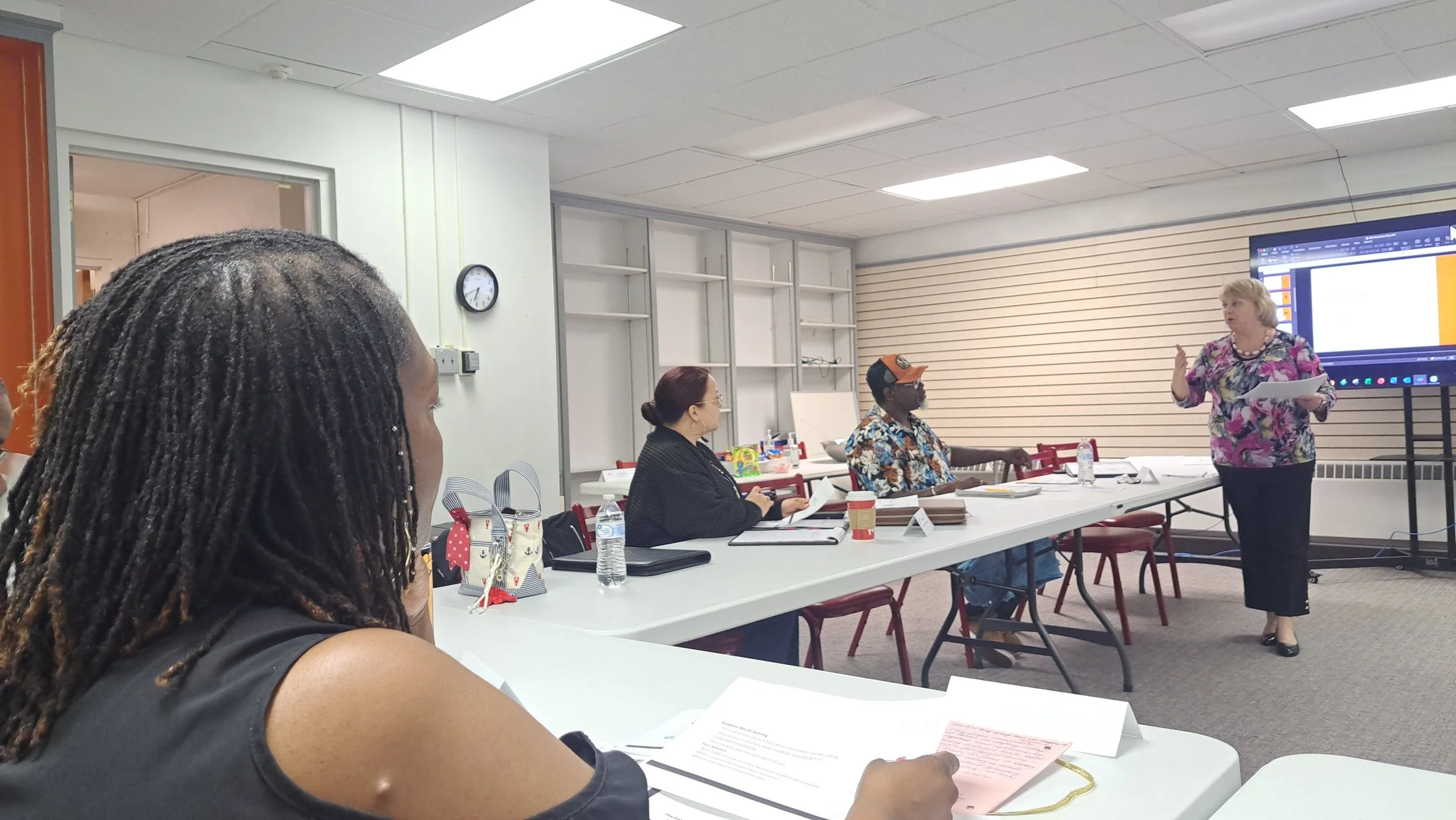
Having an Entrepreneurial Mindset
Many people believe entrepreneurship begins when you launch a business. However, it begins much earlier — with the way you think, solve problems, and respond to challenges. Developing an entrepreneurial mindset is the foundation for long-term success.
Entrepreneurs don't wait for the perfect opportunity. They learn to recognize opportunities, adapt to change, and keep moving forward even when things don't go as planned.
What Is an Entrepreneurial Mindset?
An entrepreneurial mindset is a way of thinking that focuses on growth, resilience, and continuous learning. It's about seeing possibilities where others see obstacles and being willing to take action.
People with an entrepreneurial mindset understand that every challenge is an opportunity to learn something new.
Key Characteristics
Curiosity and a willingness to learn
Problem-solving instead of problem-avoiding
Resilience after setbacks
Adaptability in changing situations
Confidence built through action, not perfection
"Success doesn't come from having all the answers — it comes from being willing to keep learning."
Why It Matters
Whether you want to start a business, grow your career, or make a difference in your community, your mindset will often determine your results more than your experience.
Every successful entrepreneur starts somewhere. What separates them isn't luck — it's the decision to keep learning, improving, and taking consistent action.
How to Build an Entrepreneurial Mindset
You don't need to own a business to begin thinking like an entrepreneur. Start by practicing these habits every day:
Ask questions and stay curious.
Look for problems you could help solve.
Learn from mistakes instead of fearing them.
Set small goals and celebrate progress.
Surround yourself with people who encourage growth.
Building these habits over time creates confidence and prepares you for future opportunities.
An entrepreneurial mindset isn't something you're born with — it's something you develop through consistent learning, perseverance, and action. Every step you take today helps prepare you for the opportunities of tomorrow.
Ready to Build Yours?
Want to continue developing your entrepreneurial skills? Follow our page throughout the week as we share daily AEH Facts focused on building an entrepreneurial mindset.
If you're interested in learning alongside other aspiring entrepreneurs, join our next cohort — AEH Cohort 5, running 9/15/26 through 5/26/27 — and start building the skills to turn your ideas into reality.
Shaping Erie's Future, One Success Story at a Time.
📍 930 Liberty Street, Erie, PA 16502
📞 (814) 825-7102
✉️ infoaehub@gmail.com
🌐 communitycornerstoneproject.org
The Entrepreneurial Mindset: Building a Future One Decision at a Time

Every success story starts the same way: with a decision to try. Not a guarantee of success, not a perfect plan — just the willingness to take a step forward when the outcome isn't certain yet. That's the entrepreneurial mindset, and it's at the heart of everything we do at the Community Cornerstone Project.
An entrepreneurial mindset isn't only for people opening a business. It's a way of approaching life — one where challenges become opportunities, setbacks become lessons, and growth becomes a daily habit rather than a distant goal. For the individuals and families we serve here in Erie, cultivating that mindset is often the first, most important step toward lasting change.
Empowerment Starts with Belief
Before someone can build a business plan, they need to believe they're capable of building one. That belief doesn't always come naturally — especially for individuals who've faced real barriers to opportunity. That's why empowerment sits at the center of our mission: giving people the tools, resources, and support to take control of their own future.
An entrepreneurial mindset says, I have something to offer, and I can figure out how to offer it. Our role is to help that belief take root and grow into action.
Growth Mindset: Progress Over Perfection
Entrepreneurship is rarely a straight line. It's full of pivots, corrections, and hard-won lessons. A growth mindset means treating every misstep not as failure, but as information — a data point that sharpens the next attempt.
We encourage the people we work with to measure success not by whether things went perfectly, but by whether they learned, adjusted, and kept moving. That's the mindset that turns a first attempt into a sustainable venture.
Community-Based Success
No entrepreneur builds alone. Behind every success story is a network — mentors, partners, customers, and neighbors who believed in the vision and helped carry it forward. That's why community is woven into everything we do. Through partnerships and collaborations across Erie, we work to connect aspiring entrepreneurs with the people and resources that can help their ideas take flight.
An entrepreneurial mindset recognizes that asking for help isn't a weakness — it's a strategy.
A Hand-Up, Not a Hand-Out
True entrepreneurship is built on independence, not dependency. Our approach is rooted in this principle: we provide the resources, mentorship, and support to help people build something of their own — not do it for them. That hand-up approach fosters resilience, ownership, and the kind of long-term success that lasts well beyond any single program or grant.
Rooted in Faith, Driven by Action
For many in our community, faith is the foundation that makes the entrepreneurial leap possible. It provides the courage to try something new and the resilience to keep going when the path gets hard. We honor that foundation by pairing faith with tangible next steps — education, mentorship, and real-world tools that turn belief into action.
Honesty as a Business Foundation
An entrepreneurial mindset also means operating with integrity from day one. Honest pricing, transparent communication, and ethical decision-making aren't just good values — they're good business. Trust, once built, becomes an entrepreneur's most valuable asset.
Building Erie's Future, One Success Story at a Time
At the Achievers Entrepreneurial Hub, we see this mindset in action every day — individuals who once doubted their own potential now building businesses, creating jobs, and reshaping their futures. Each success story doesn't just change one life; it ripples outward, creating opportunity for the next generation.
If you're ready to take that first step, we're ready to walk alongside you. Whether you're testing a business idea for the first time or looking to grow something you've already started, the tools, mentorship, and community you need are closer than you think.
Join us in shaping Erie's future, one success story at a time.
📍 930 Liberty Street, Erie, PA 16502
📞 (814) 825-7102 | (814) 403-3815
✉️ infoaehub@gmail.com
Building Relationships, Not Just Transactions

Every small business owner knows the moment: a first-time customer walks through the door, makes a purchase, and leaves. The question that determines whether your business thrives or just survives is simple — will they come back?
Big corporations chase market share with advertising budgets small businesses could never match. But there's one thing small businesses can offer that no algorithm or ad campaign can replicate: a genuine relationship. When customers feel truly known and valued, price and convenience stop being the deciding factor. Loyalty takes over.
Here's how small businesses turn one-time buyers into lifelong customers.
1. Remember the Details That Matter
Relationships are built on memory. When a customer walks in and the owner remembers their name, their usual order, or that their daughter just started college, it sends a powerful message: you are not just a transaction here.
You don't need a complicated CRM system to do this well — though tools like a simple spreadsheet or notes app can help. What matters is the habit of paying attention and following up. A quick note after a purchase, a birthday card, or a text checking in after a big life event goes further than any coupon.
2. Solve Problems Before They Become Complaints
Loyal customers aren't made in the moments when everything goes right — they're made in the moments when something goes wrong and gets fixed with care. Mistakes happen. What separates forgettable businesses from beloved ones is the response.
Owning an error quickly, communicating honestly, and making things right — even when it costs a little more upfront — builds a kind of trust that no marketing message can buy. Customers remember how they were treated when things didn't go as planned.
3. Be Consistently, Reliably You
Trust grows from predictability. If your business is warm and welcoming on Monday but distracted and short on Friday, customers notice. Consistency in tone, quality, and service tells people they can count on you — and people build long-term relationships with things they can count on.
This doesn't mean being robotic. It means your values and standards should show up the same way every time, whether it's your tenth customer of the day or your hundredth.
4. Ask, Don't Assume
Too many businesses guess what customers want instead of asking them. A simple question — "What brought you in today?" or "Is there anything we could be doing better?" — opens a door. It shows customers their opinion actually shapes the business, not just its marketing copy.
Feedback loops like this do double duty: they make customers feel heard, and they give you real information to improve. Over time, customers who feel like collaborators in your business become its most vocal advocates.
5. Create Moments, Not Just Purchases
Some of the strongest customer relationships are built around experiences rather than products. A local coffee shop that hosts a monthly open mic. A boutique that throws a seasonal styling night. A hardware store that offers free how-to workshops. These moments give customers a reason to return that has nothing to do with needing to buy something — and everything to do with feeling connected to a community.
6. Show Appreciation Without Being Asked
Loyalty programs and discounts have their place, but genuine appreciation is different from a transactional reward. A handwritten thank-you note, a small unexpected gift, or simply acknowledging a customer's continued support communicates something discounts can't: gratitude.
The goal isn't to buy loyalty — it's to reflect back the value that a long-term customer relationship has actually created.
7. Let Your Team Reflect the Relationship
Customers don't just build relationships with the owner — they build them with everyone who represents the business. Employees who are empowered to be warm, attentive, and a little bit human (rather than reciting a script) become an extension of that relationship. Training your team to prioritize connection over speed pays off far beyond a single transaction.
The Long Game
Building lifelong customers isn't a marketing tactic — it's a mindset. It requires patience, consistency, and a genuine interest in the people a business serves. But the payoff is significant: loyal customers spend more over time, refer friends and family, forgive occasional mistakes, and become part of a business's story rather than just its ledger.
In a world of automated checkouts and algorithm-driven ads, the small businesses that will thrive are the ones that remember something simple — people don't just want to buy from a business. They want to belong to one.

Redefine Success
It All Begins Here
Confidence doesn’t always arrive with a bold entrance. Sometimes, it builds quietly, step by step, as we show up for ourselves day after day. It grows when we choose to try, even when we’re unsure of the outcome. Every time you take action despite self-doubt, you reinforce the belief that you’re capable. Confidence isn’t about having all the answers — it’s about trusting that you can figure it out along the way.
The key to making things happen isn’t waiting for the perfect moment; it’s starting with what you have, where you are. Big goals can feel overwhelming when viewed all at once, but momentum builds through small, consistent action. Whether you’re working toward a personal milestone or a professional dream, progress comes from showing up — not perfectly, but persistently. Action creates clarity, and over time, those steps forward add up to something real.
You don’t need to be fearless to reach your goals, you just need to be willing. Willing to try, willing to learn, and willing to believe that you’re capable of more than you know. The road may not always be smooth, but growth rarely is. What matters most is that you keep going, keep learning, and keep believing in the version of yourself you’re becoming.

Small Steps Create Big Shifts
It All Begins Here
Confidence doesn’t always arrive with a bold entrance. Sometimes, it builds quietly, step by step, as we show up for ourselves day after day. It grows when we choose to try, even when we’re unsure of the outcome. Every time you take action despite self-doubt, you reinforce the belief that you’re capable. Confidence isn’t about having all the answers — it’s about trusting that you can figure it out along the way.
The key to making things happen isn’t waiting for the perfect moment; it’s starting with what you have, where you are. Big goals can feel overwhelming when viewed all at once, but momentum builds through small, consistent action. Whether you’re working toward a personal milestone or a professional dream, progress comes from showing up — not perfectly, but persistently. Action creates clarity, and over time, those steps forward add up to something real.
You don’t need to be fearless to reach your goals, you just need to be willing. Willing to try, willing to learn, and willing to believe that you’re capable of more than you know. The road may not always be smooth, but growth rarely is. What matters most is that you keep going, keep learning, and keep believing in the version of yourself you’re becoming.

Turn Intention Into Action
It All Begins Here
Confidence doesn’t always arrive with a bold entrance. Sometimes, it builds quietly, step by step, as we show up for ourselves day after day. It grows when we choose to try, even when we’re unsure of the outcome. Every time you take action despite self-doubt, you reinforce the belief that you’re capable. Confidence isn’t about having all the answers — it’s about trusting that you can figure it out along the way.
The key to making things happen isn’t waiting for the perfect moment; it’s starting with what you have, where you are. Big goals can feel overwhelming when viewed all at once, but momentum builds through small, consistent action. Whether you’re working toward a personal milestone or a professional dream, progress comes from showing up — not perfectly, but persistently. Action creates clarity, and over time, those steps forward add up to something real.
You don’t need to be fearless to reach your goals, you just need to be willing. Willing to try, willing to learn, and willing to believe that you’re capable of more than you know. The road may not always be smooth, but growth rarely is. What matters most is that you keep going, keep learning, and keep believing in the version of yourself you’re becoming.

Make Room for Growth
It All Begins Here
Confidence doesn’t always arrive with a bold entrance. Sometimes, it builds quietly, step by step, as we show up for ourselves day after day. It grows when we choose to try, even when we’re unsure of the outcome. Every time you take action despite self-doubt, you reinforce the belief that you’re capable. Confidence isn’t about having all the answers — it’s about trusting that you can figure it out along the way.
The key to making things happen isn’t waiting for the perfect moment; it’s starting with what you have, where you are. Big goals can feel overwhelming when viewed all at once, but momentum builds through small, consistent action. Whether you’re working toward a personal milestone or a professional dream, progress comes from showing up — not perfectly, but persistently. Action creates clarity, and over time, those steps forward add up to something real.
You don’t need to be fearless to reach your goals, you just need to be willing. Willing to try, willing to learn, and willing to believe that you’re capable of more than you know. The road may not always be smooth, but growth rarely is. What matters most is that you keep going, keep learning, and keep believing in the version of yourself you’re becoming.